
Roots & Renewal: An AHG ReGathering
📅 May 31, 2025: 9-8pm & June 1, 2025: 12-5pm
📍 Warren Wilson College, Swannanoa, NC
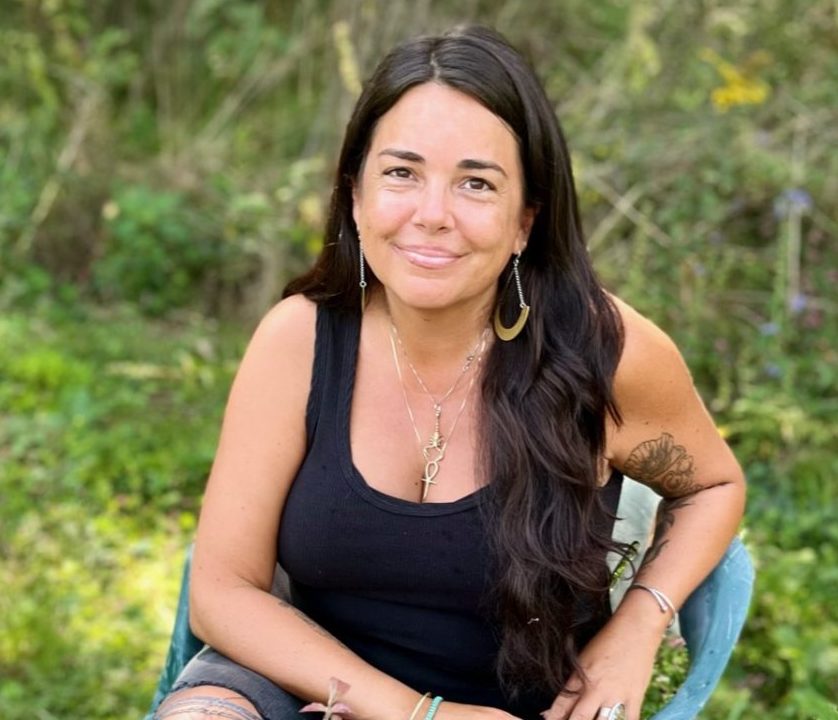
Keynote Speaker: Lupo Passero
Keynote Address: Cultivating Resilience: Following the Patterns of Nature through Restoration & Repair
Sunday, June 1, 2025 – 3:00pm-4:45pm
Lupo Passero is a Clinical Herbalist and Educator who has studied botanical medicine for over 25 years. She began her herbal journey in Asheville, NC in the late 1990s and is the founder of Twin Star Herbal Education and Community Apothecary, established in 2009. Over the past two decades, she has trained hundreds of herbalists through her school and mentorship programs. Lupo has taught at institutions including Yale University, Massachusetts College of Pharmacy, and The Graduate Institute, and has led international herbal trainings and retreats across Central America, Europe, and the UK. A retired board member and two-term Secretary of the American Herbalists Guild, she is a strong advocate for Herbalism in Action—using herbal medicine to support communities in times of crisis, a practice inspired by her hometown of Sandy Hook, CT. Lupo now lives in Asheville, where she is rebuilding her business after Hurricane Helene. When not teaching, she can be found foraging in the Appalachian Mountains, blending ceremony, plant wisdom, and community healing.
Class Description: Cultivating Resilience: Following the Patterns of Nature through Restoration & Repair
In this heartfelt and timely keynote, Clinical Herbalist and Educator Lupo Passero explores how the wisdom of the natural world—and the people who tend it—can guide us through times of great loss and transition. Drawing from her lived experience in the Appalachian Mountains of Western North Carolina in the aftermath of Hurricane Helene, Lupo reflects on how landscapes and communities alike hold the capacity to restore, adapt, and renew.
Rooted in decades of work with botanical medicine and community care, this talk honors the powerful ways in which plants and fungi recover from environmental disruption—offering not only physical medicine, but profound metaphors for healing. From dandelion pushing through pavement to reishi growing on decay, these allies teach us how to cultivate resilience at every level: personal, communal, and ecological.
We’ll also examine the growing role of mutual aid and herbal first aid in the face of climate crisis, where grassroots efforts are stepping in to provide free and affordable healthcare, trauma support, and solidarity-based care when formal systems fall short. Lupo will speak to the role of herbalists in emergency response and community rebuilding, particularly in underserved or storm-impacted areas.
At the heart of this conversation is a truth she has witnessed time and again: a shared love of plants has the power to unite people across differences, bringing communities together to not only endure adversity—but to reimagine and rebuild what comes next.
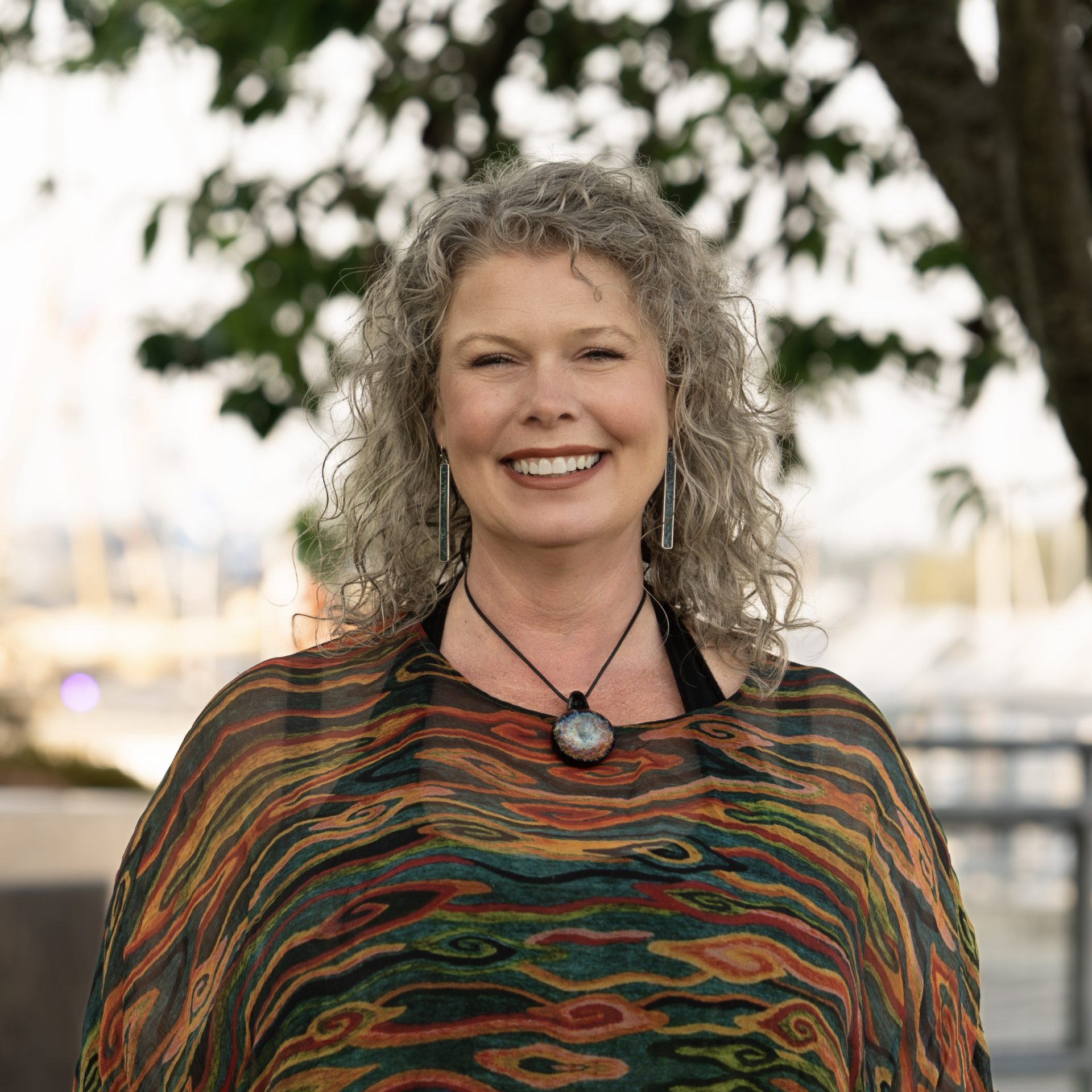
Gina Rivers
Class: A Bioregional Exploration of Medicinal Mushrooms in Southern Appalachia
Saturday, May, 31, 2025 – 9:30am-11:00am
Gina is an herbalist, formulator, and an educator, currently serving as a science educator and formulator for an internationally recognized mushroom supplement line. Through her work with the world-renowned mycologist, Paul Stamets, Gina has traveled the country and overseas educating practitioners,retailers, and the public on the health benefits of medicinal mushrooms. She also is the owner and founder of River ‘Seng MycoHerbalism, a clinical practice focusing on complementary strategies using mushrooms, herbs, education, and lifestyle modifications to help her clients achieve balanced and radiant health.
Her lifelong love of herbs sprouted at a young age when she apprenticed under a German naturopath with several herb shops in Birmingham, AL. As a young nursing student, Gina continued to deepen her herbal roots while planting a path as a community herbal consultant. Gina’s formal coursework involves Dr. Christopher’s School of Natural Healing, The Natural Healing College, and UAB School of Nursing. Additionally, she has studied with Dr. Jan McBarron MD, ND and Clayton College.
Class Description: A Bioregional Exploration of Medicinal Mushrooms in Southern Appalachia
The southern Appalachian Mountains are one of the most biologically diverse ecosystems on the planet for plants and animals, but surprisingly, it is the highest level of diversity for the fungal kingdom. Discover the pharmacy of the forests in this visually engaging power point lecture detailing the clinical applications for 5 mushroom species that flourish in this unique bioregion. We will discuss tips and tricks for safe and proper identification of Pleurotus ostreatus (Oyster), Ganoderma tsugae (Hemlock Reishi), Trametes versicolor (Turkey Tail), Grifola frondosa (Hen of the Woods), and Hericium erinaceus (Lion’s Mane), as well as why we would want to make extracts from them for use in clinical herbal practice. We will explore some of the scientific studies associated with these species and delve into the traditional ethnomycology both from Chinese Medicine and Appalachian folk medicine. Also discussed will be ethical wildcrafting of mushrooms, why a dual extraction and heat is necessary for capturing active compounds in mushrooms, and how the practitioner can incorporate these extracts into existing clinical applications with other Appalachian bioregional herbal formulations.

CoreyPine Shane
Class: Finding Ground Again: Regulating the Nervous System After a Traumatic Event
Saturday, May, 31, 2025 – 4:45pm-6:15pm
CoreyPine Shane, RH(AHG), founder and director of the Blue Ridge School of Herbal Medicine near Asheville, NC, is a clinical herbalist and teacher with over 30 years of experience artfully blending Chinese and Western herbal traditions with a focus on local plants. His book “Southeast Medicinal Plants” explains how to identify, ethically harvest, and use the wild plants of the Southeastern United States. He strongly believes in the healing power of nature and that herbs and herbal philosophy deserve a special place in modern health care. Find out more at the Blue Ridge School website.
Class Description: Finding Ground Again: Regulating the Nervous System After a Traumatic Event
Traumatic events can have health impacts beyond what happens in the event itself. When the nervous system becomes dysregulated, then problems such as digestive disturbance, insomnia, and even hormonal imbalances can present. New health conditions can arise, and existing health conditions can become worse. Fortunately, there are many herbs that can help settle our nervous system and treat the other issues that arise; we will also discuss general strategies for working with clients who have experienced trauma.

Marc Williams
Plant Walk: Botany by Family: The Key to See
Saturday, May, 31, 2025 – 11:30am-1:00pm
Class: Phytoremediation
Sunday, June 1, 2025 – 1:00pm-2:30pm
Ethnobiologist Marc Williams has studied the people, plant, mushroom and microbe interconnection intensively while learning to employ botanicals and other life forms for food, medicine, and beauty in a regenerative manner. His training includes a Bachelor’s degree in Environmental Studies concentrating in Sustainable Agriculture with a minor in Business from Warren Wilson College and a Master’s degree in Appalachian Studies concentrating in Sustainable Development with a minor in Geography and Planning from Appalachian State University. He has spent over two decades working at a multitude of restaurants and various farms and has traveled throughout 30 countries in Central/North/South America and Europe as well as all 50 states of the USA. Marc has visited over 200 botanical gardens and research institutions during this process while taking tens of thousands of pictures of representative plants and other entities. He has taught hundreds of classes to thousands of students about the marvelous world of people and their interface with other organisms while working with over 100 organizations and particularly as a key contributor to the work of United Plant Savers, Plants and Healers International and online at the website www.botanyeveryday.com. Marc’s greatest hope is that this effort may help improve our current challenging global ecological situation.
Plant Walk Description: Botany by Family: The Key to See
Plant family patterns can greatly aid in demystifying the “green wall” of species around us. Hundreds of thousands species of plants are known to global science. These species have been grouped into around 400 plant families for those that make flowers. However, you will know something significant about the majority of plants that you see in the temperate world if you learn the top 40 families around you. It is often possible to guess whether a plant is edible, medicinal, or poisonous simply by the family it occupies. However, some exceptions are important to know as well. We will engage in a walk and talk around the Warren Wilson garden where we will delve into the major plant families of the Southern USA. Students will reinforce plant identification skills by observing family patterns such as leaf, flower and fruit types. Uses including edibility, medicinality, craft, wildlife promotion and landscape beauty will be discussed. Participants will gain a more holistic understanding of the major plants comprising the Southern US flora and their potential ecological and ethnobotanical applications.
Class Description: Phytoremediation
Phytoremediation entails the use of plants to mitigate the effects of some type of environmental toxin or damage. Humans have introduced tens of thousands novel compounds into the environment just since World War II and very few of these have been adequately tested for safety. Phytoremediation may be used to remove contaminants from soil, toxins from air, water or simply re-vegetate and stabilize a disturbed area. In the process, phytoremediation may offer a suite of benefits familiar to those who work with plants including carbon sequestration, increased water quality, aesthetic value, food for wildlife, craft materials etc. The potential threat from toxins to folks interested in foraging or community gardening in polluted urban environments will be a focus in particular!

Erika Galentin
Class: What Herbalism Has Taught Me About Healing: Body, Self, & Planet
Saturday, May, 31, 2025 – 2:45 – 4:15 PM
Erika is the Lead Creatrix & Clinical Herbalist of Sovereignty Herbs and the host of the Herbal Practice Connexion (HPX) and the Herbal Sensorium podcast. Her home base and medicine gardens are located just outside of Athens, OH, USA but she serves a national and international community with her renowned herbs & wellness coaching, online and in-person classes and workshops, and clinical and business mentorship programs. She is a professional member of the National Institute of Medical Herbalists (UK) and the American Herbalists Guild (USA). Over a decade of clinical practice has provided a platform for witnessing the efficacy of medicinal plants and aromatics within a clinical environment. She is a firm believer in celebrating the role that emotions and the psyche play in the ecology of our physical terrain. Through this philosophy of clinical practice, Erika seeks to encourage positive, learned relationships between plants and people and people and their bodies. In addition to clinical practice, Erika is both a student and teacher of horticulture, native medicinal plant conservation and ecology, and the phenomenological and Goethean study of plants and their medicinal virtues.
Class Description: Class: What Herbalism Has Taught Me About Healing: Body, Self, & Planet
Join clinical herbalist Erika Galentin MNIMH RH on a narrative exploration of herbalism and the use of plants for healing our relationships with our bodies, ourselves, and our planet. In this talk, Erika will journey through the internal ecosystems of our physical and emotional bodies and explore how tending to and caring for these systems reverberates out into the external ecosystems that sustain us.

Melissa Fryar
Class: Appalachian Medicinal Roots
Saturday, May, 31, 2025 – 11:30am-1:00pm
Melissa Fryar is an Asheville born herbalist and forager who has been learning and loving the plants for over 30 years. Growing up in the Appalachian Mountains sparked a lifelong love affair with the plants, trees and animals of the region and continues to inspire her everyday. She has taught at several herb schools, universities, and herb conferences in the region and even a class or two taught from the back of her pick up truck. When Melissa is not teaching, gardening, or foraging, she can be found at the French Broad Food Coop managing the health and beauty department and ordering many herbs for the community. She can be reached at rootmama13@gmail.com
Class Description: Appalachian Medicinal Roots
Southern Appalachia has a rich history of plant use and lore. Its’ biodiversity make it a haven for plant lovers and helped both indigenous peoples and early settlers survive in a remote region. Southern folk medicine has been influenced by many cultures, but the most revered medicines were the ones that grew here and were abundant. In this class we will discuss some of the fascinating history of Appalachian folk medicine and the part we play in it today. Both locals and newcomers are part of this ever evolving history and I think we can continue to practice these traditions and protect these wonderful mountain herbs and trees by knowing them, sustainably harvesting or growing them, and protecting the wild places. We will focus on the numerous roots of the region and how to prepare them. Come learn ginseng, sassafras, wild yam, Solomon’s seal, as well as several other mountain roots.